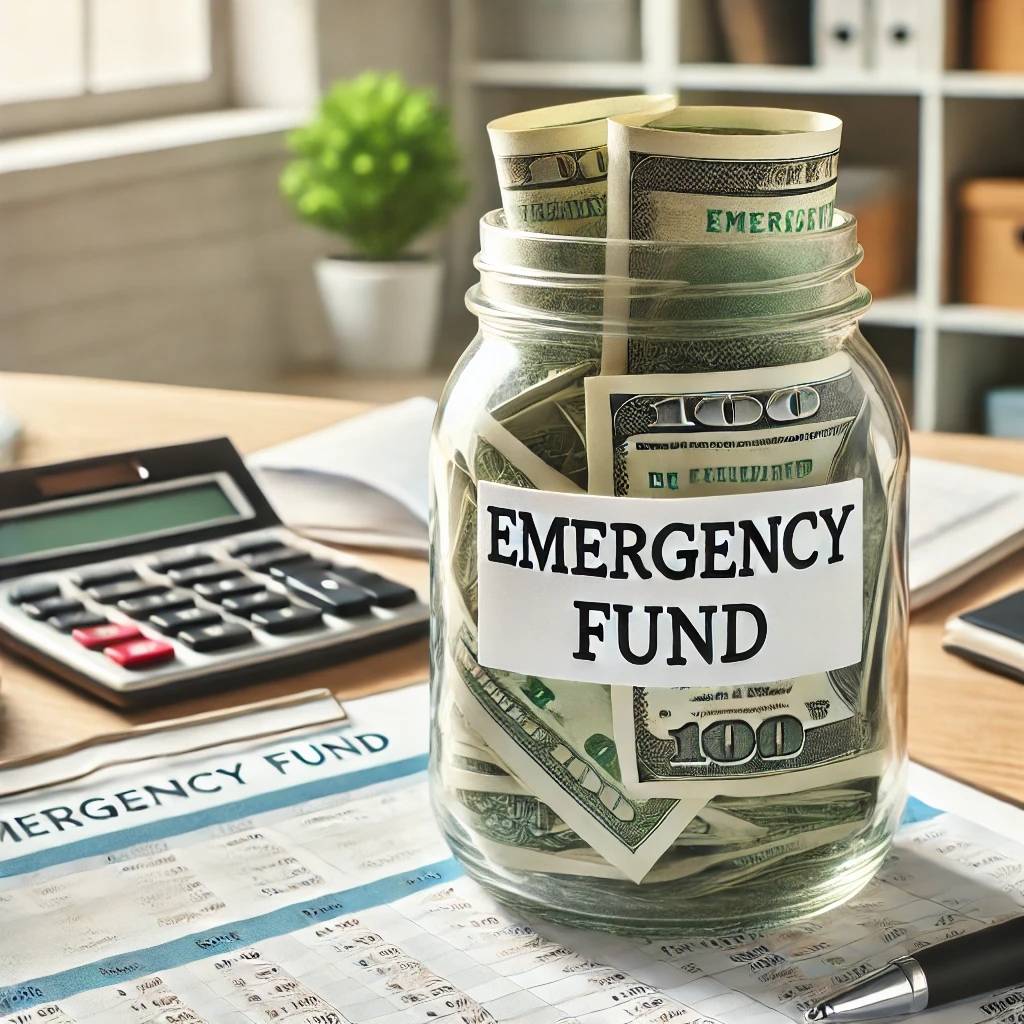

Created using Dall E
The Week that Taught me Something Different
I remember the week our washing machine died.
Same week our daughter needed emergency dental work for a chipped tooth. Same week I had already committed every available dollar to extra debt payments because I was “finally getting serious” about paying off our credit cards.
So there I was, standing in the appliance store, calculating how much more debt we’d have to take on just to handle basic life. The cruel irony? I was working so hard to pay off debt that I’d left us completely vulnerable to creating more of it.
That week taught me something important: you can’t choose between an emergency fund and debt repayment. You need both.
The Problem with “Either/Or” Thinking
Most financial advice treats emergency funds and debt payment like a choice: either build your emergency fund first, or focus everything on debt.
That’s terrible advice when you’re living real life.
If you build a big emergency fund while making minimum payments on 18% credit cards, you’re essentially earning 1% while paying 18%. The math doesn’t work.
But if you throw every extra dollar at debt while keeping zero emergency savings, you’re one car repair away from undoing all your progress.
I learned this the expensive way. You don’t have to.
What Actually Works: The Parallel Strategy
Here’s what we started doing after the washing machine week:
Step 1: Mini Emergency Fund First Before attacking debt aggressively, we saved $1,000. Not three months of expenses. Not six months. Just enough to handle the most common emergencies without reaching for credit cards.
That $1,000 wasn’t meant to cover job loss or major medical bills. It was meant to cover the washing machine, the dental work, the car repair – the normal emergencies that derail debt progress.
Step 2: Split Every Extra Dollar Once we had that small buffer, every extra dollar got split:
- 80% to debt payments (focusing on highest interest first)
- 20% to building the emergency fund
This meant slower debt payoff than the “avalanche” method recommends. But it also meant we never went backwards.
Step 3: Adjust Based on Reality When we had a stable month with no surprises, we’d bump the debt percentage higher. When life felt particularly unpredictable, we’d save a bit more. The key was flexibility, not perfection.
The Psychology That Actually Matters
The real challenge isn’t mathematical – it’s mental.
When you’re in debt, every dollar you don’t throw at payments feels like you’re not serious about getting out. It feels like you’re prolonging the pain.
But here’s what I learned: going backwards feels worse than going slow.
That $200 we set aside each month instead of putting toward debt? It saved us from adding $2,000 to our credit cards when the air conditioner died in July.
Progress isn’t just about the destination. It’s about never having to start over.
Why the Standard Advice Fails Real Families
Most financial advice assumes you live in a spreadsheet where emergencies wait their turn.
In real life:
- Cars don’t break down only after your debt is paid off
- Kids don’t need emergency dental work only when it’s convenient
- Appliances don’t check your budget before they die
The families who successfully pay off debt while building savings understand this. They plan for interruptions instead of pretending they won’t happen.
How Much Is Enough?
For the mini emergency fund: $1,000 is the starting point. If that feels overwhelming, start with $500. The goal is having something between you and your credit cards when life happens.
For the full emergency fund: Build this gradually while you’re paying off debt. Start with one month of expenses, then two, then three. Don’t wait until all debt is gone – you’ll be waiting too long.
When Life Throws Curveballs
Even with this strategy, we still had setbacks. The month we had both a car repair and a medical bill that exceeded our small emergency fund.
But here’s what was different: instead of adding $1,500 to credit cards, we only added $300. Instead of feeling defeated, we felt like we’d handled it reasonably well.
That’s the real win – not perfection, but resilience.
The Simple Truth
You don’t have to choose between emergency savings and debt repayment. You have to do both, even if it means doing each more slowly.
The families who build lasting financial security understand this. They know that progress with setbacks beats perfection that never comes.
Start with $1,000 in savings. Then split every extra dollar between debt and savings. Adjust as life requires.
It’s not the fastest path out of debt. But it’s the most sustainable path to financial security.
Your future self – the one who won’t panic when the washing machine dies – will thank you for building both.
If this resonates, you’re ready for the complete Before the Budget series. I write about the mindset shifts that actually matter – delivered bi-weekly to readers who know there’s more to money than math.
The information provided in this article is for general informational purposes only and is not intended as financial advice. Every individual’s financial situation is unique, and you should consult with a qualified financial advisor or other professional before making decisions about debt repayment, savings, or other financial matters. The tools and resources mentioned are provided for reference only, and we do not endorse any specific product, service, or company. Use them at your own discretion. All financial decisions involve risk, and past performance does not guarantee future results.